Writer, artist, filmmaker, columnist for Outside Magazine. My newsletter about creativity, adventure, and enthusiasm goes out to 15,000+ subscribers every week.
I Made 8 Pieces Of Fan Art For ‘Meditation for Mortals’
|
 |
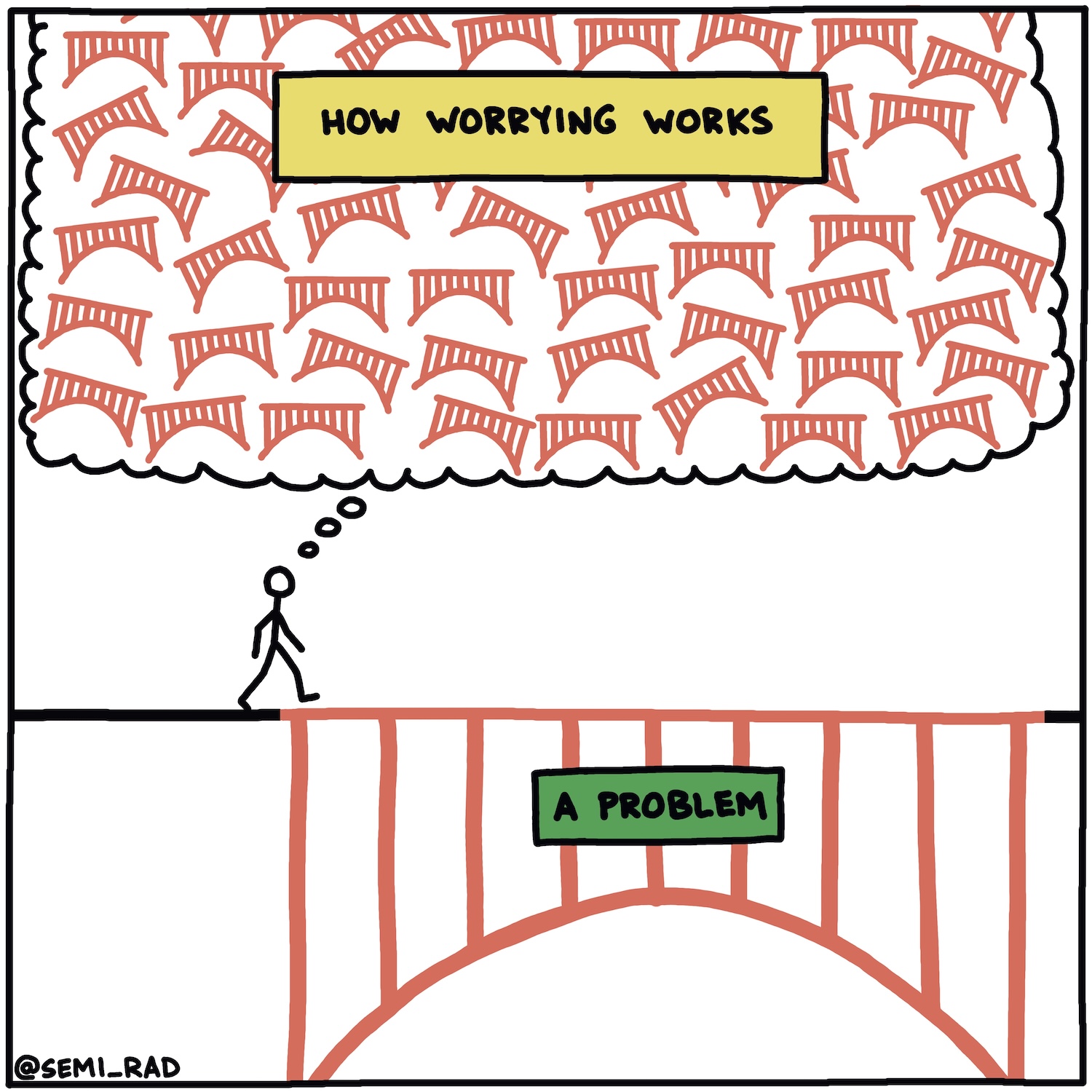
Day 7: Let the future be the future: On crossing bridges when you come to them
“What is worry, at its core, but the activity of a mind attempting to picture every single bridge that might possibly have to be crossed in the future, then trying to figure out how to cross it?”?(page 39)
 |
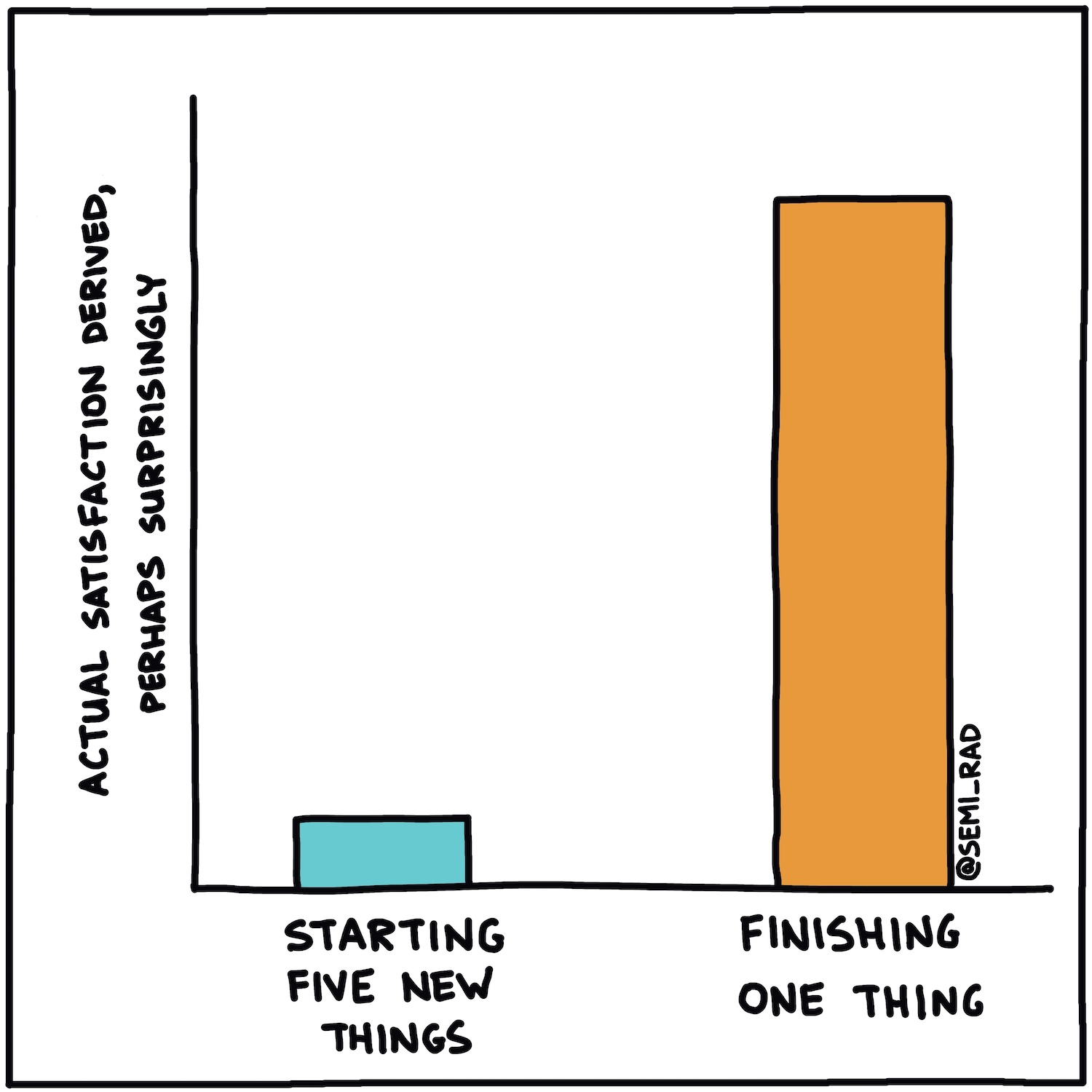
Day 9: Finish things: On the magic of completion
“People think finishing things ‘would drain even more of their energy and they get tired just thinking about it,’ Steve Chandler writes. They don’t see that ‘leaving things unfinished is what’s causing the low levels of energy.’”(page 53)
 |
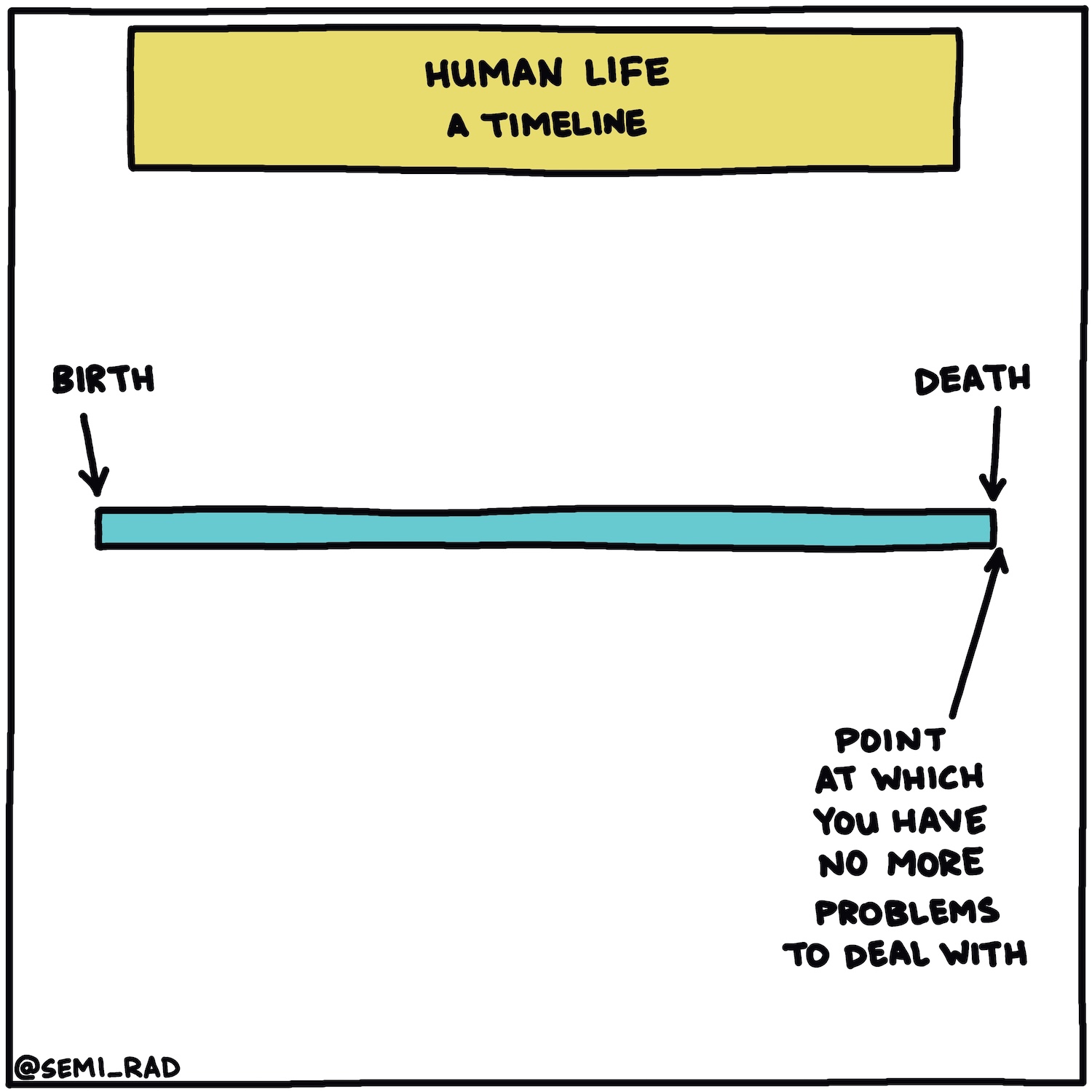
Day 14: Develop a taste for problems: On never reaching the trouble-free phase
“The author and podcast host Sam Harris recalls being at lunch with a friend, moaning on about the various problems he was confronting in his work, when she interrupted him mid-flow. ‘Were you really expecting to have no more problems at some point in your life?’ she asked.” (page 76)
 |
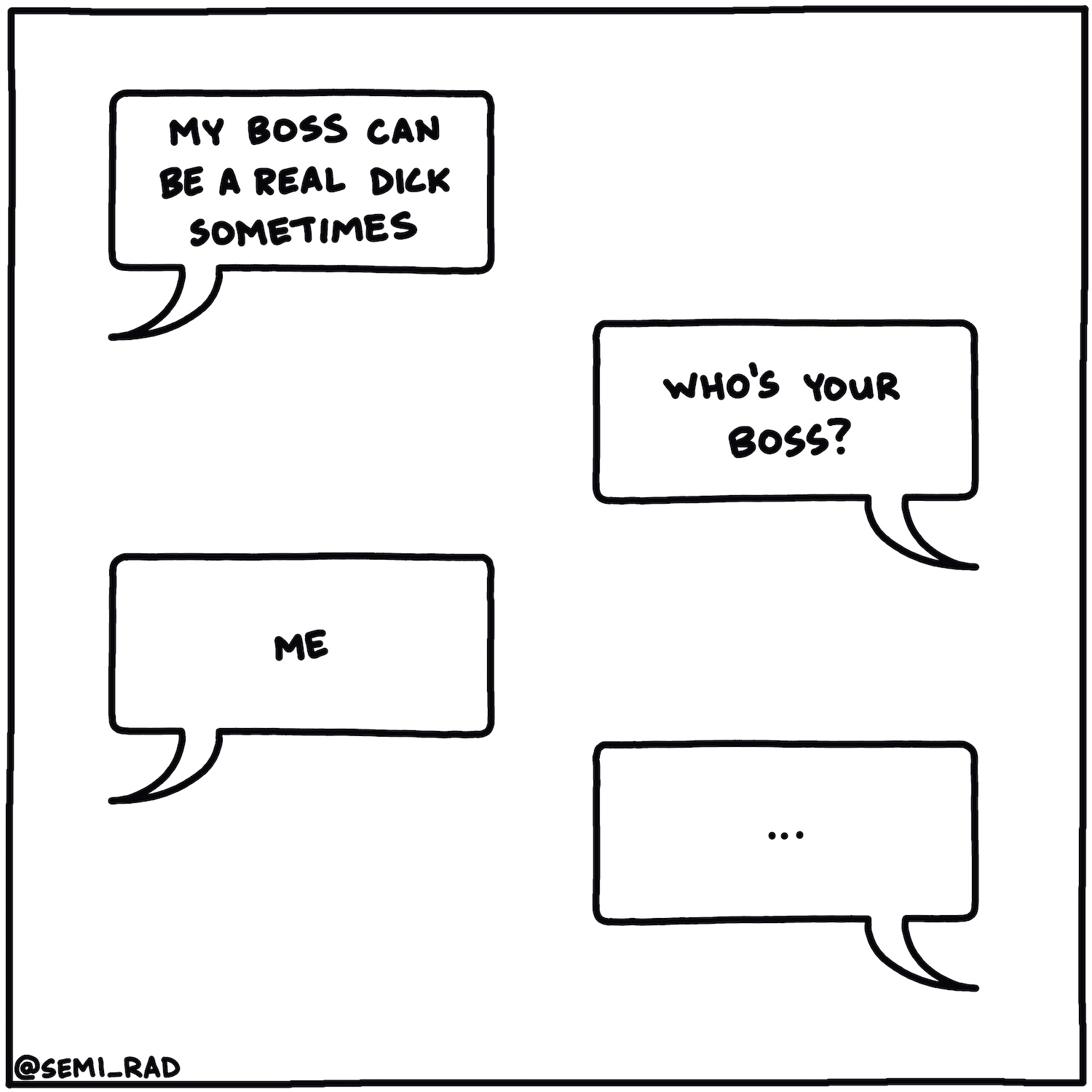
Day 16: The reverse golden rule: On not being your own worst enemy
“Can you imagine berating a friend in the manner that many of us deem it acceptable to screech internally at ourselves, all day long? Adam Phillips is exactly right: were you to meet such a person at a party, they’d immediately strike you as obviously unbalanced. You might try to get them to leave, and possibly also seek help. It might occur to you that they must be damaged—that in Phillips’s words ‘something terrible’ must have happened to them—for them to think it appropriate to act that way.” (Page 91)
 |
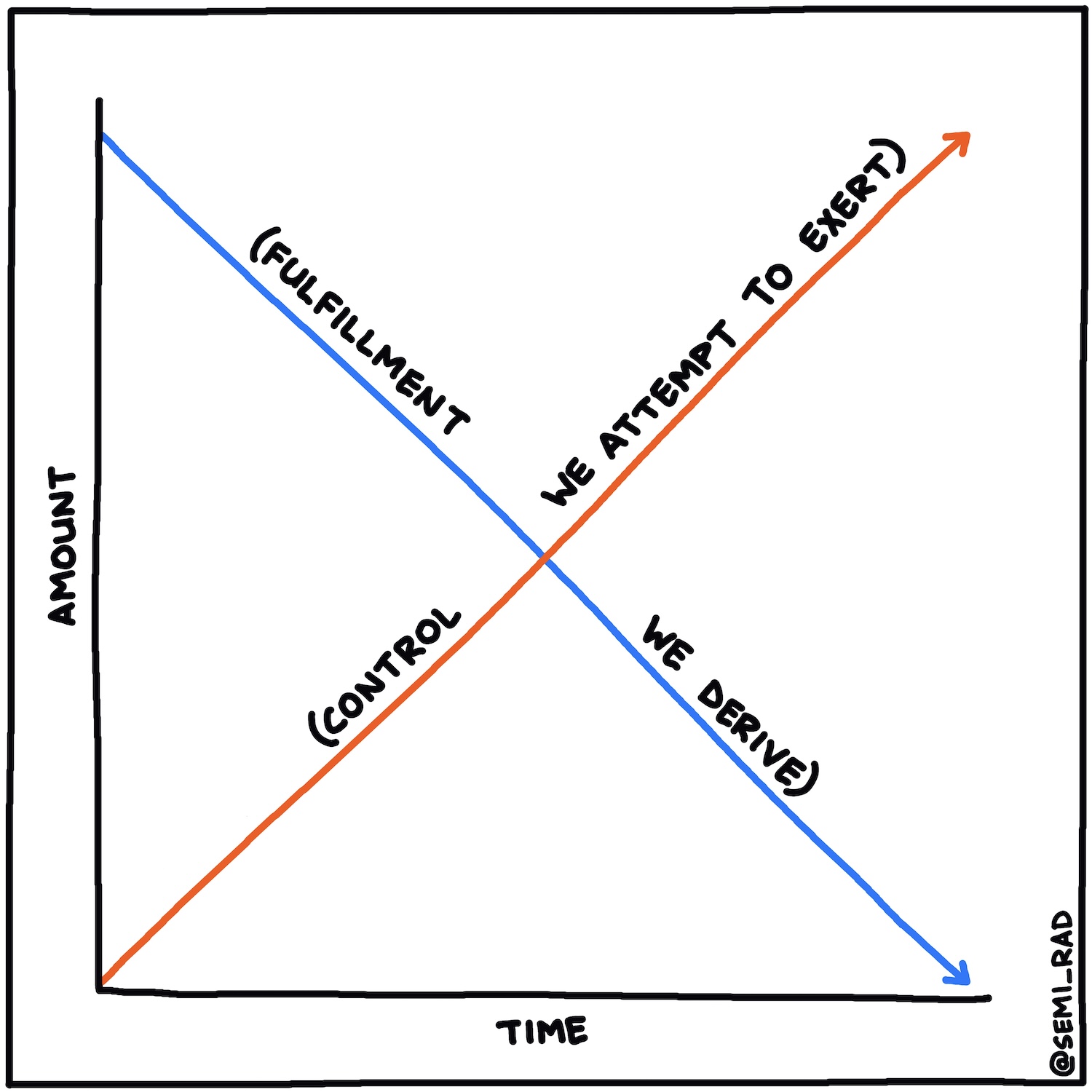
Day 19: A good time or a good story: On the upsides of unpredictability
“In short, the more we try to render the world controllable, the more it eludes us; and the more daily life loses what [social theorist Hartmut] Rosa calls its resonance, its capacity to touch,move and absorb us. As soon as any experience can be completely controlled, it feels cold and dead; a work of art you fully understand or a person whose behavior you can predict with total accuracy is no fun at all. What brings fulfillment is being in a certain form of reciprocal relationship with the rest of the world, including other people; you might liken it to a dance in which you alternatingly lead and follow.” (page 105)
 |
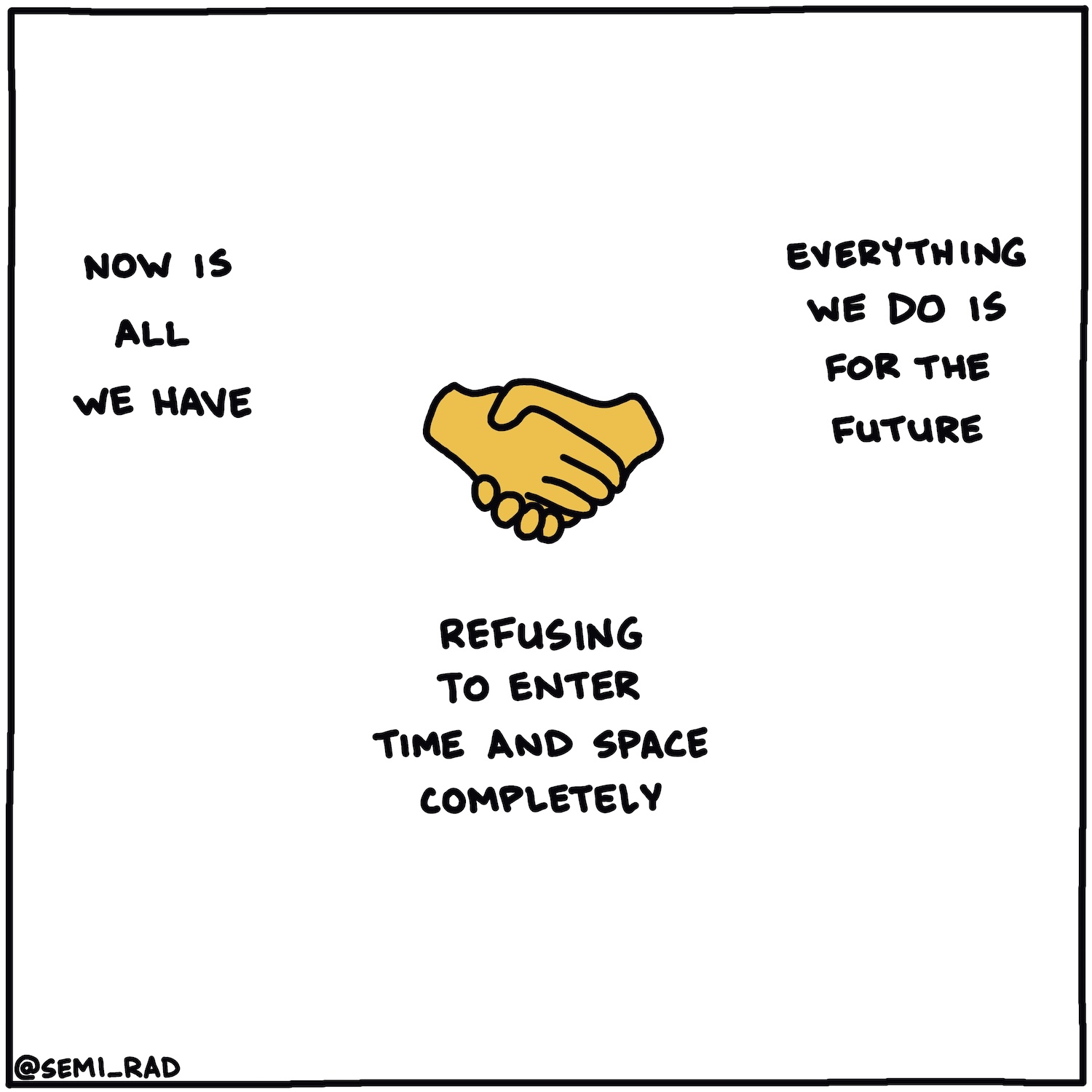
Day 22: Stop being so kind to future you: On entering time and space completely
“The commitment-phobe can’t bear to enter ‘time and space completely’ because letting himself be pinned down to one relationship or career path means renouncing the other ones. He imagines that what he’s doing instead is keeping his options open, though he has of course chosen a path—because choosing to use up some of your finite time in a state of non-commitment is still a choice. On the other hand, the too-responsible type holds off from entering time and space completely by always locating the real value of her present-day actions somewhere off in the future. (page 124)
 |
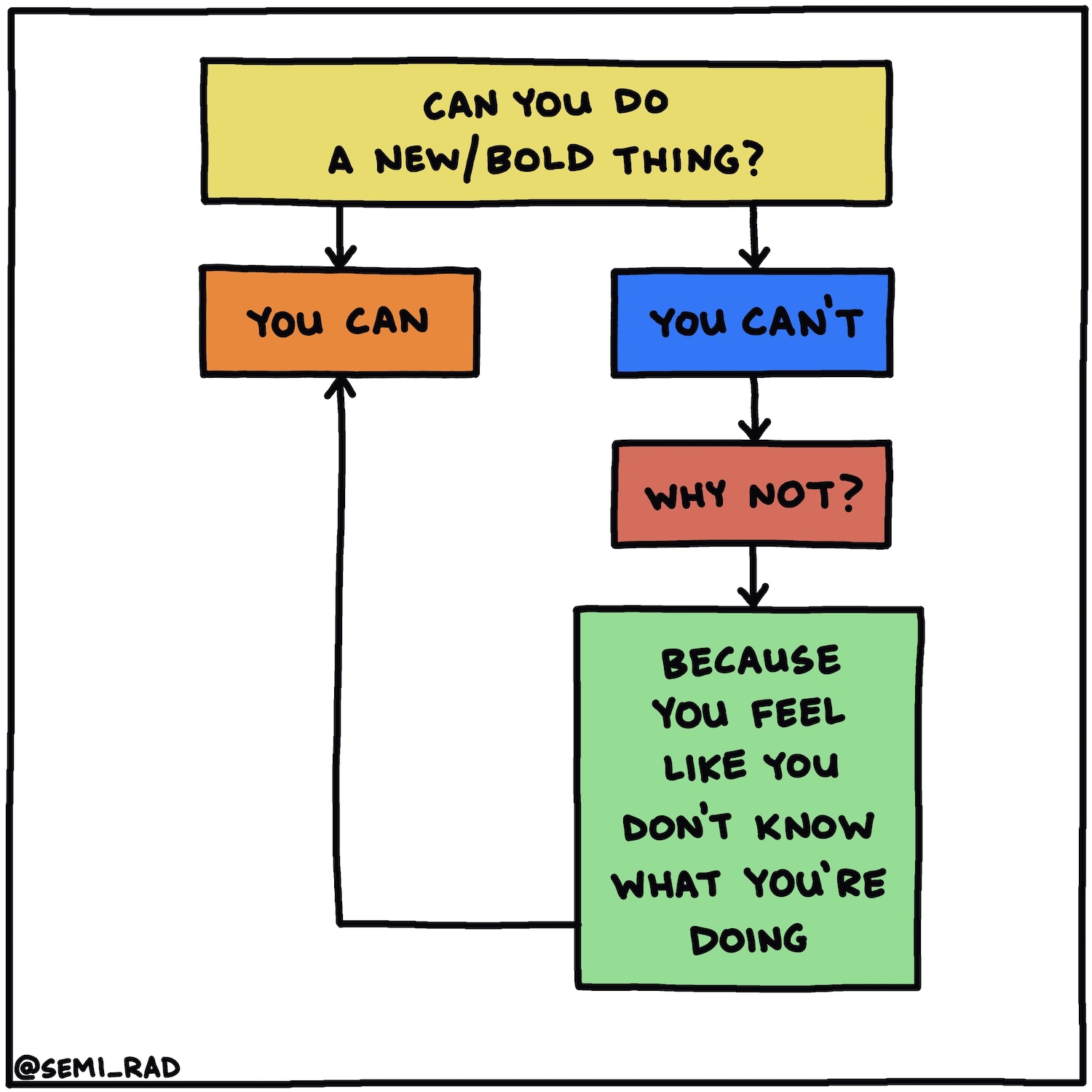
Day 27: C'est fair par du monde: On giving it a shot
“You won’t feel like you know what you’re doing. But nobody ever does; that’s just how it is for finite humans, attempting new things. The main difference between those who accomplish great things anyway and those who don’t is that the former don’t mind not knowing. They were not less flawed or finite than you. Every thing they ever did was done by people.” (page 152)
 |
--
Thanks for reading. If you enjoyed this piece, please consider supporting my work.
Semi-Rad
Writer, artist, filmmaker, columnist for Outside Magazine. My newsletter about creativity, adventure, and enthusiasm goes out to 15,000+ subscribers every week.
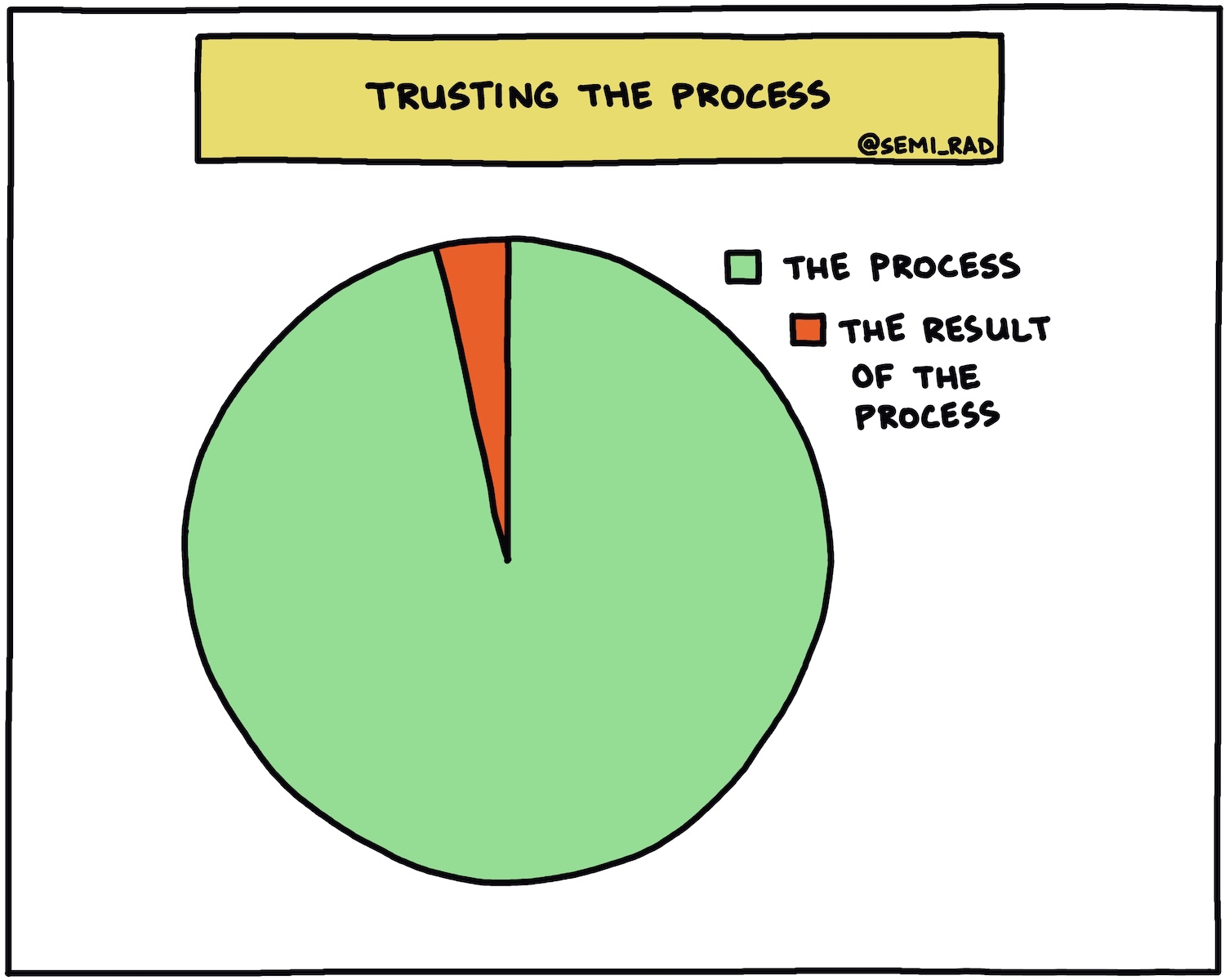
Sure, I "Trust The Process," But, The first time I remember ever hearing the phrase “trust the process,” I was interviewing my friend Mick about the house he’d built. It had taken him eight years of evenings and weekends, and started, kind of ironically, with him spending an entire weekend peeling three 20-foot logs before he realized he’d had the draw knife backward the whole time. He stuck with it, of course, and built a house so beautiful you’d never guess he had no idea what he was doing...
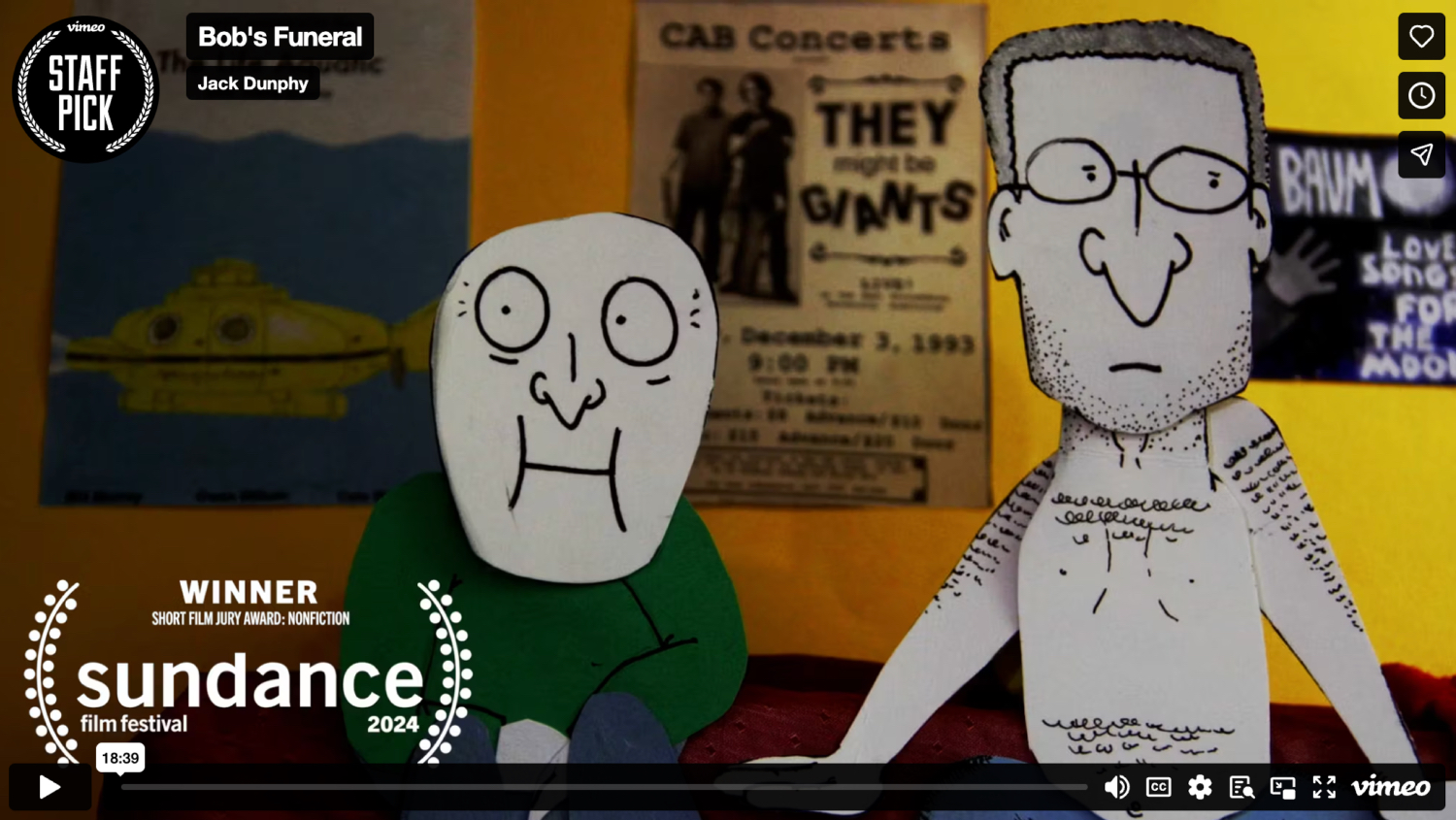
Friday Inspiration 529 If you watch this video, be warned that a) there are a couple verbal mentions of male anatomy and also an animation of male anatomy, b) that it won Best Nonfiction Short Film at Sundance in 2024, and c) you might cry a little bit. (video) If you had “Read a brief but wonderful poem about holding an iguana like a baby and feel a tiny bit better about everything” on your to-do list for today, go ahead and cross that off after you click here. Since I 1) am running a lot...
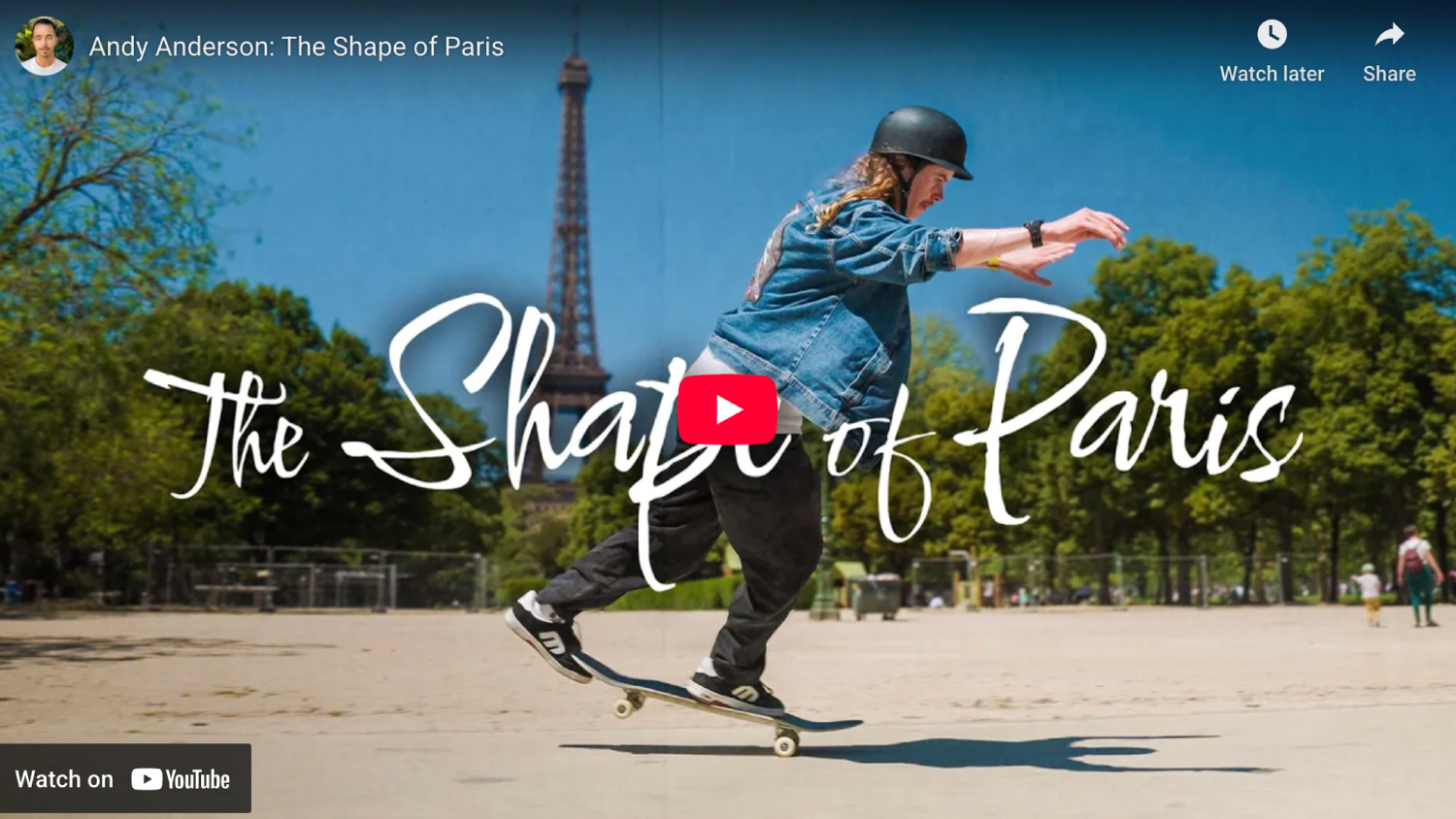
Friday Inspiration 528 A big thanks to Hilary for sending me this 9-minute skateboard video that’s more of a visual love letter to Paris with some skating by Andy Anderson, the most joyful part of which I believe might be the credits, among many joyful parts (video) Mike Sowden, whose Everything Is Amazing newsletter I have mentioned here many times, sent me a link to this website with the simple message “Top 100,000 Wikipedia articles of the year....as if they're skyscrapers in a city.” I...